Investigation · the 29 November election
The census
stratagem
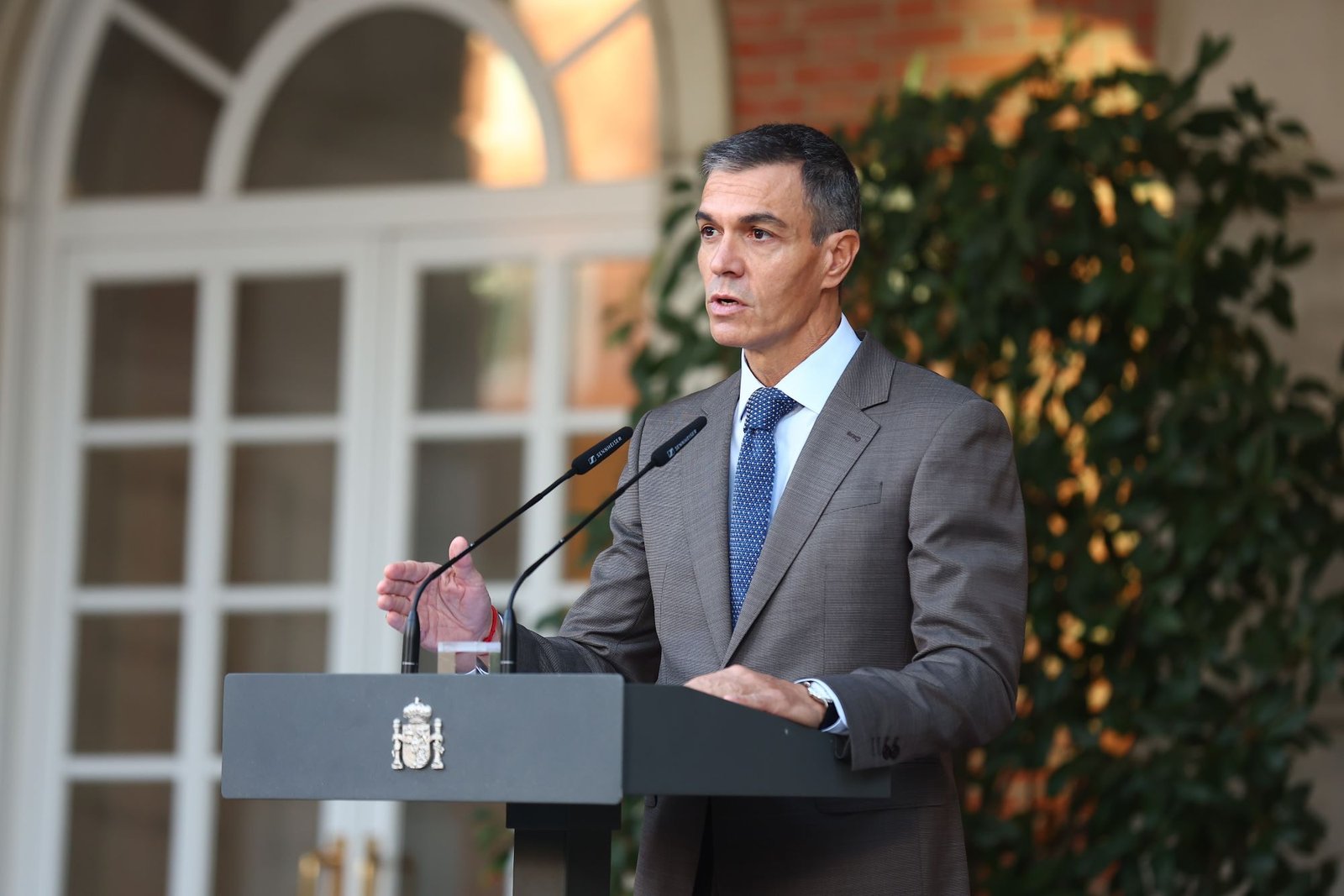
On 5 October 2026, Pedro Sánchez stepped up to a lectern at Moncloa and, in the few minutes the press conference lasted, made two decisions although he only announced one. The first was the one he said out loud: a general election on 29 November. The second, which almost no one read into it at the time, was which electoral roll would decide it. Distrusting that second decision does not require believing in a conspiracy. It only requires setting it alongside four more facts, each documented separately over the past few years, which together explain why the gesture of 5 October was not just a date.
That second decision is this one:
The Supreme Court halted effects that the later election call now reactivates on a roll that was already closed.
A pattern, not just a date
These are the four facts. An instruction that widened the law by administrative means (Part 2); an overseas vote that has already changed the outcome five times since 2008, despite a minister denying it on the radio (Part 3); an amendment that tried to shield it, slipped into an education bill against the advice of Congress's own legal staff (Part 4); and a postal-vote apparatus with names close to the government and a history of theft and forgery (Part 5). None of this proves fraud on its own. None of it certifies that the 29 November election will be decided this way; it certifies that the suspicion starts from facts with dates attached.
The story, in five parts
1 · The signature and the trigger
The housing decrees fell in Congress, Sánchez dissolved Parliament, and electoral law did the rest. Why 5 October decided, without naming it, who appears on the rolls for 29 November.
2 · The instruction that widened the law
What an instruction published in the official gazette did to the letter of the law, how much it grew the overseas roll, and why the Supreme Court's 8 September brake arrives too late. With the figures.
3 · The overseas vote has already moved seats
Five times the CERA vote changed the result, and a minister denied it on the radio. How many votes actually come out of the overseas roll.
4 · The amendment that was never voted on
Ten minutes in committee, a report from Congress's own legal staff against it, and the attempt to shield it inside an education bill. The milestones, from 2022 to 29 November.
5 · The postal vote's all-time high
The 2.6 million applications of the 2023 election — in which no fraud has been proven — and the thread linking the postal operator to the prime minister.
References
- Organic Law 5/1985 on the General Electoral System (LOREG), arts. 39.1 and 42.1. BOE-A-1985-11672.
- Supreme Court order of 8 September 2026 (CGPJ): "The Supreme Court grants the precautionary measure… concerning registrations in the CERA [overseas electoral roll]" (translated from the original Spanish). poderjudicial.es; EFE, 8 September 2026 (efe.com).
Numbered in order of first citation in the text. See also Sources.